
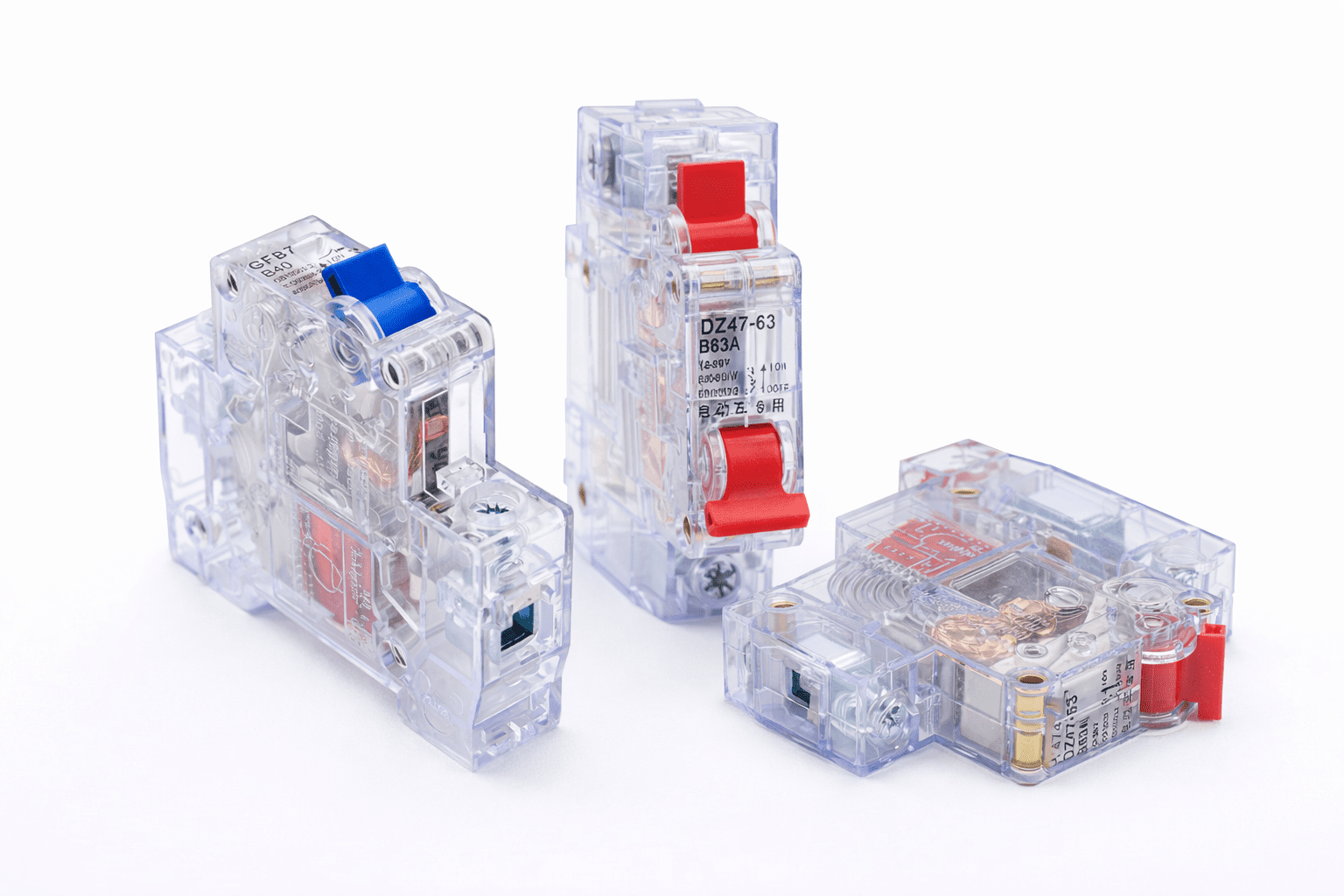
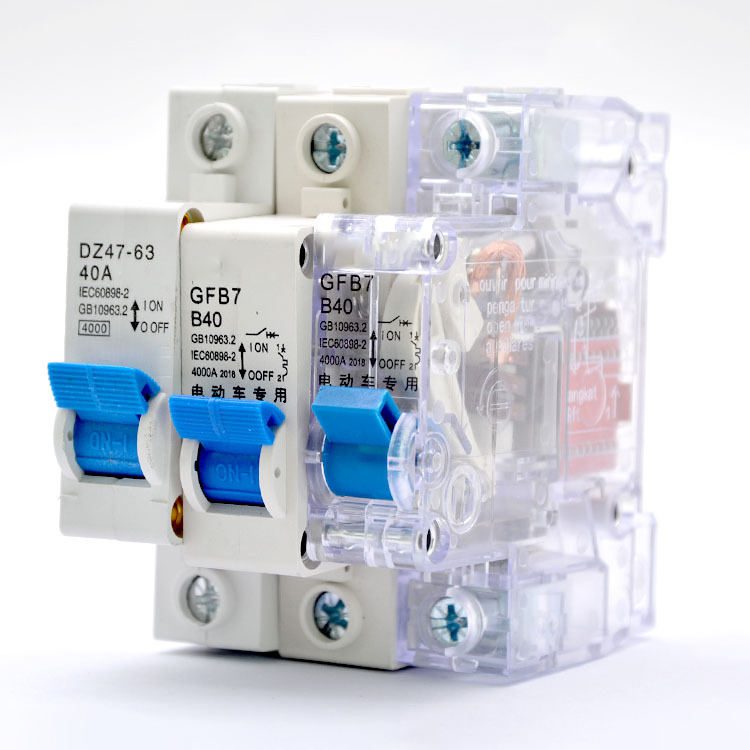
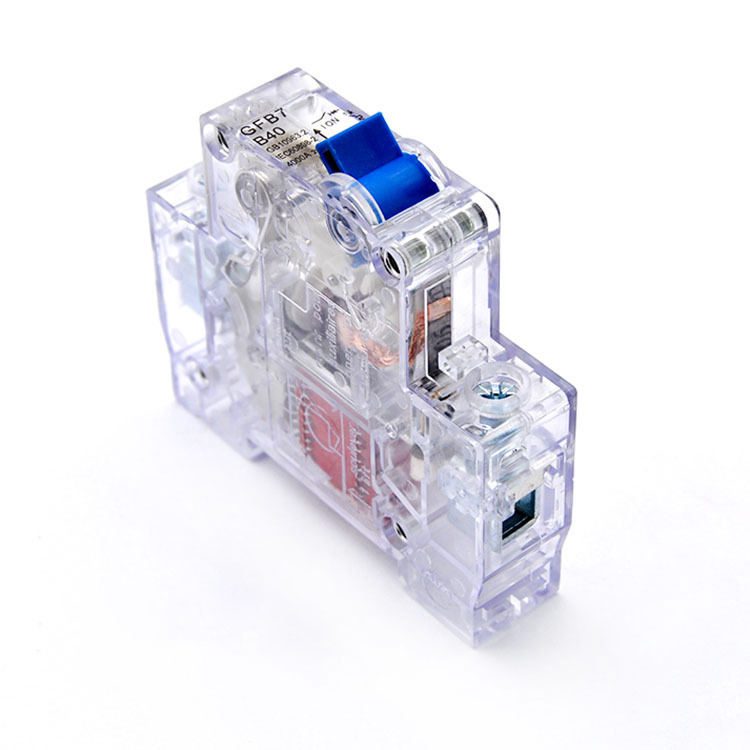
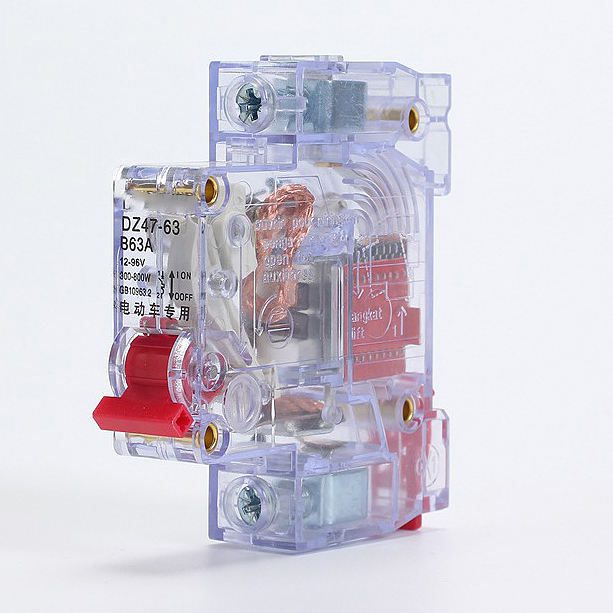
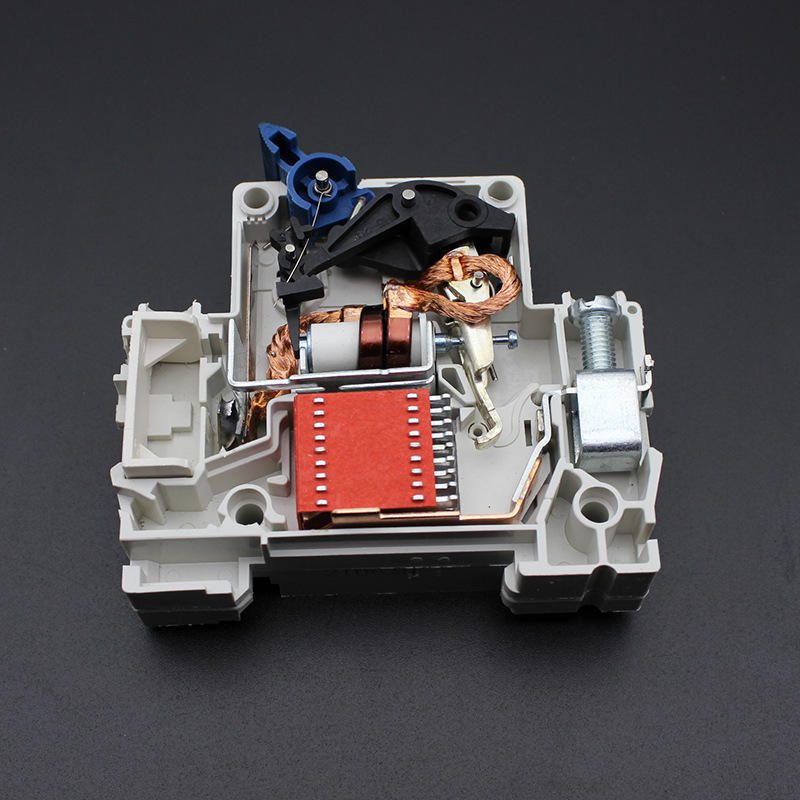
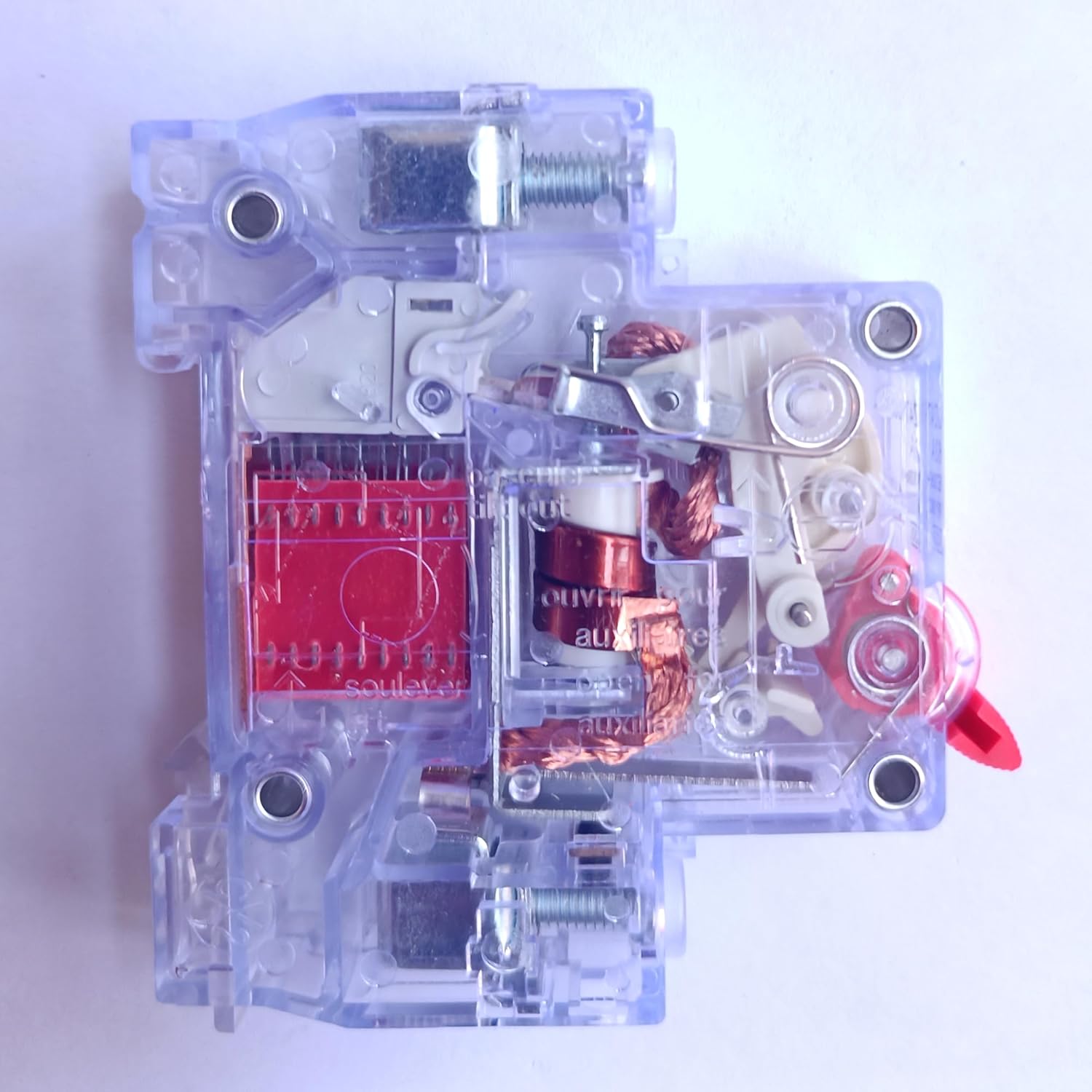
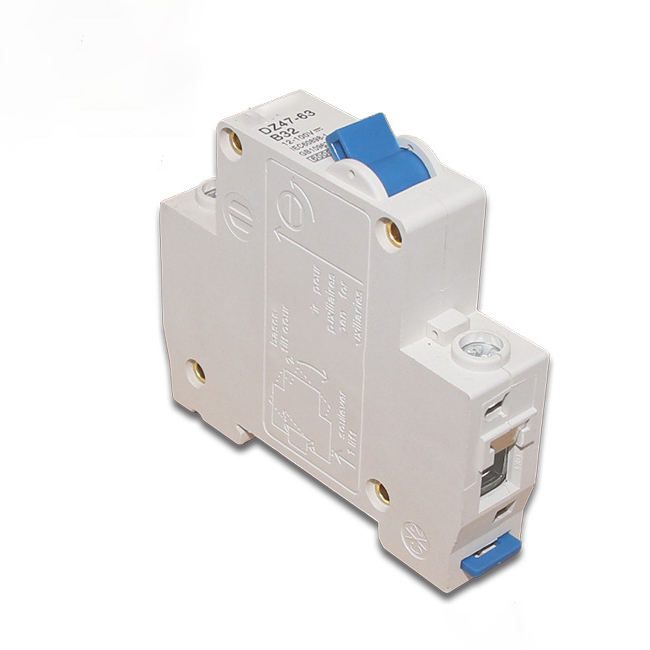
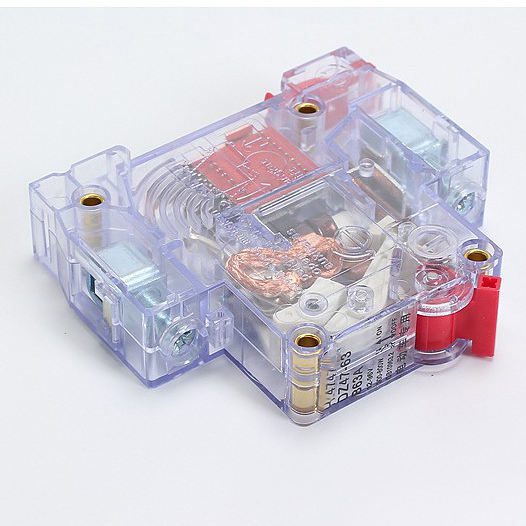
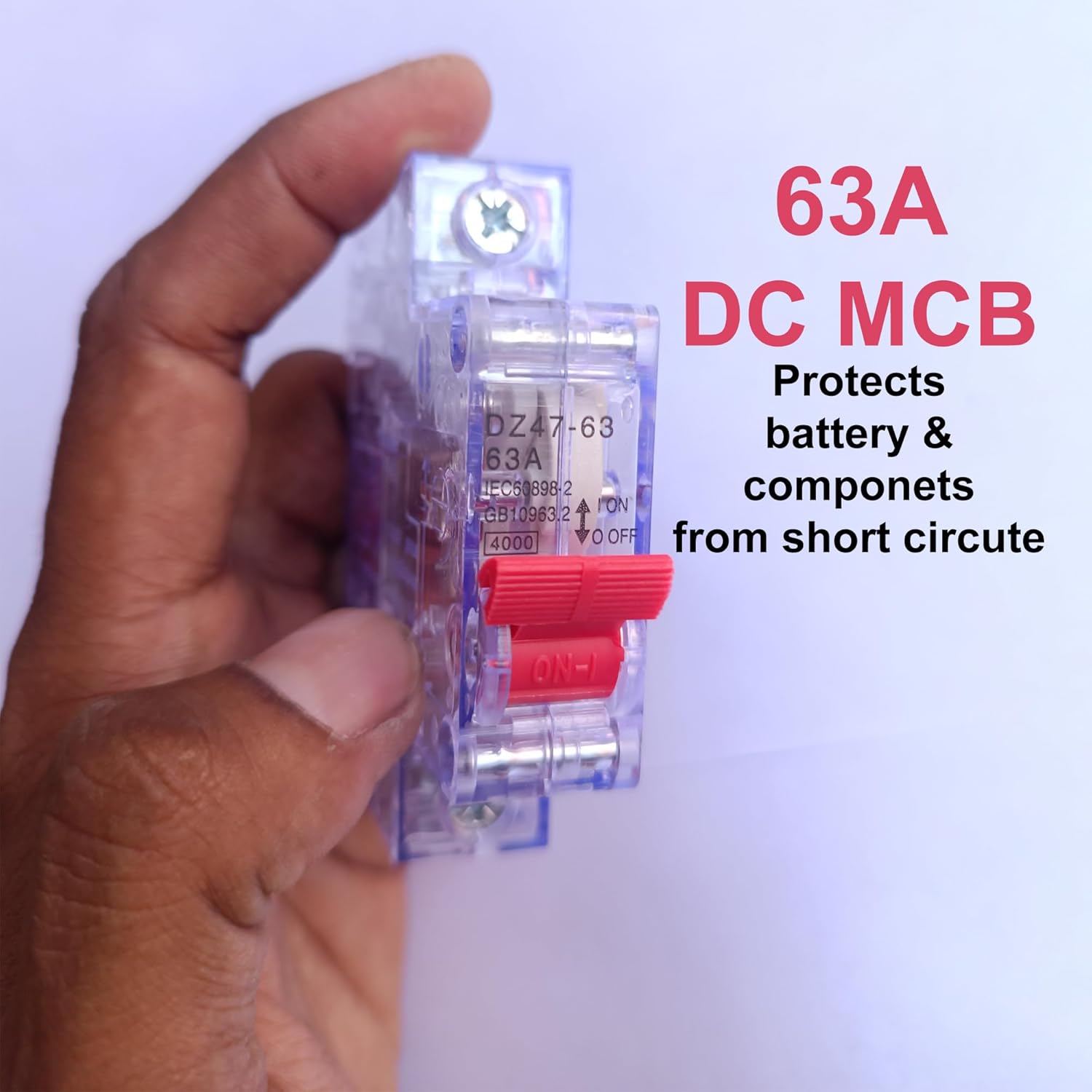
Key Features of 63A & 40A MCB
-
High-current rated protection — Available in two ratings: 63 A and 40 A, suitable for EV charging circuits, heavy loads or dedicated EV-charger feeders.
-
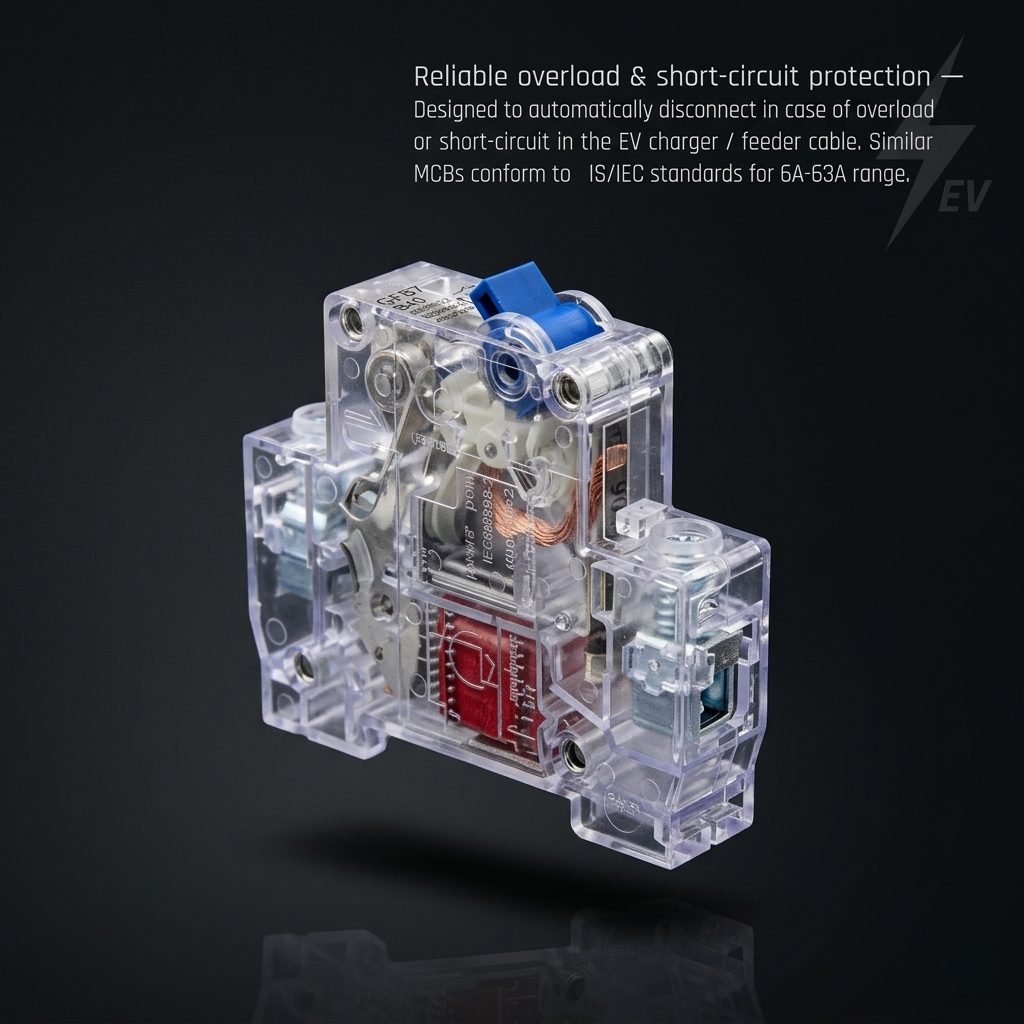
Reliable overload & short-circuit protection — Designed to automatically disconnect in case of overload or short-circuit in the EV charger / feeder cable. Similar MCBs conform to IS/IEC standards for 6A-63A range.
-
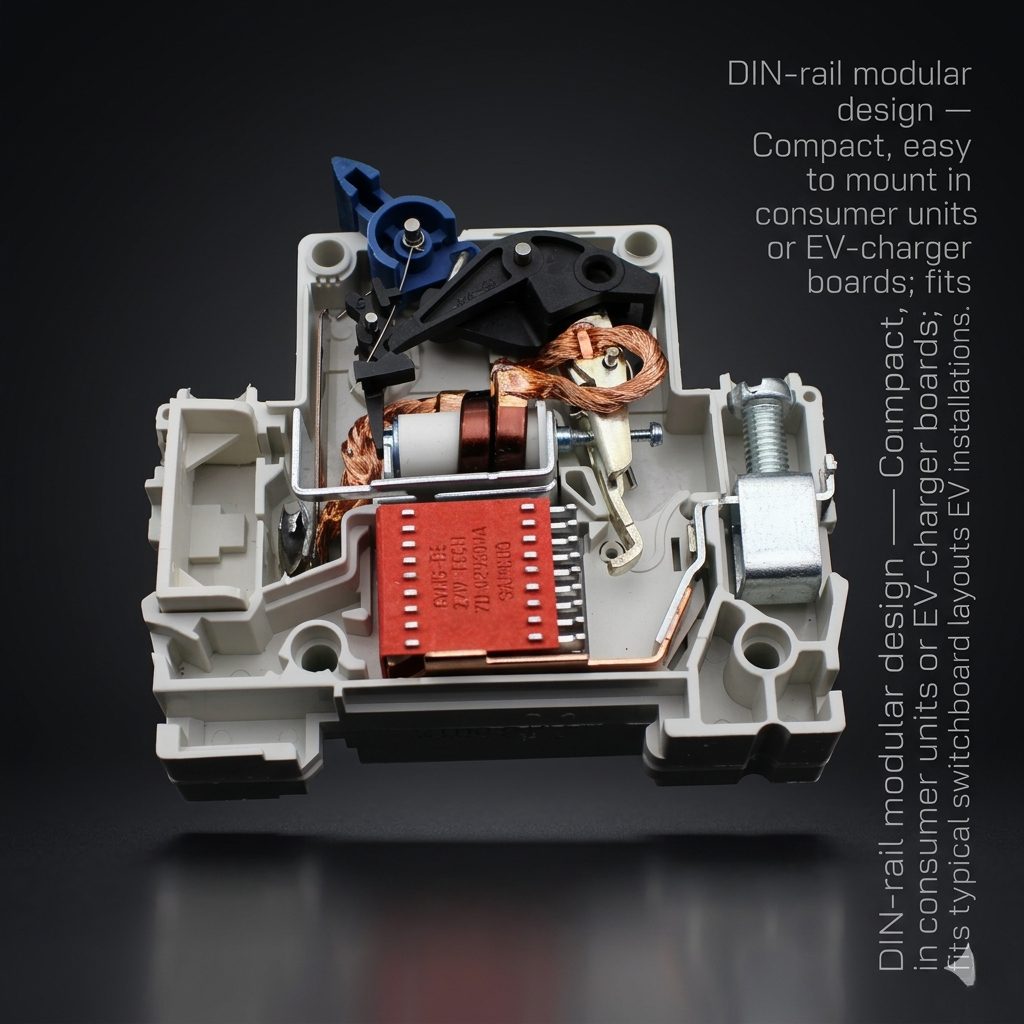
DIN-rail modular design — Compact, easy to mount in consumer units or EV-charger boards; fits typical switchboard layouts for EV installations.
-
Approved standard compliance — Although not brand-specific available, MCBs in this class typically conform to IS/IEC 60898-1 or IEC 60947-2 standards.
-
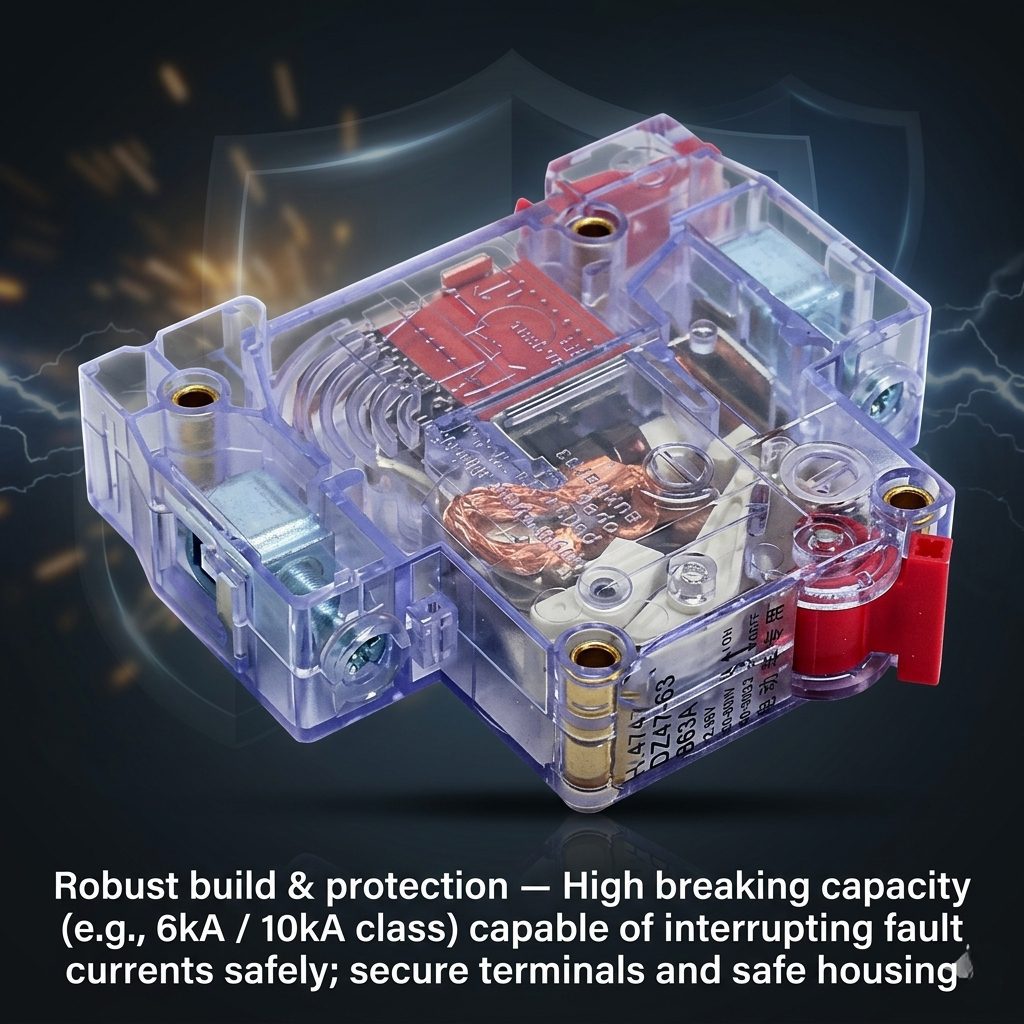
Robust build & protection — High breaking capacity (e.g., 6kA / 10kA class) capable of interrupting fault currents safely; secure terminals and safe housing.
-
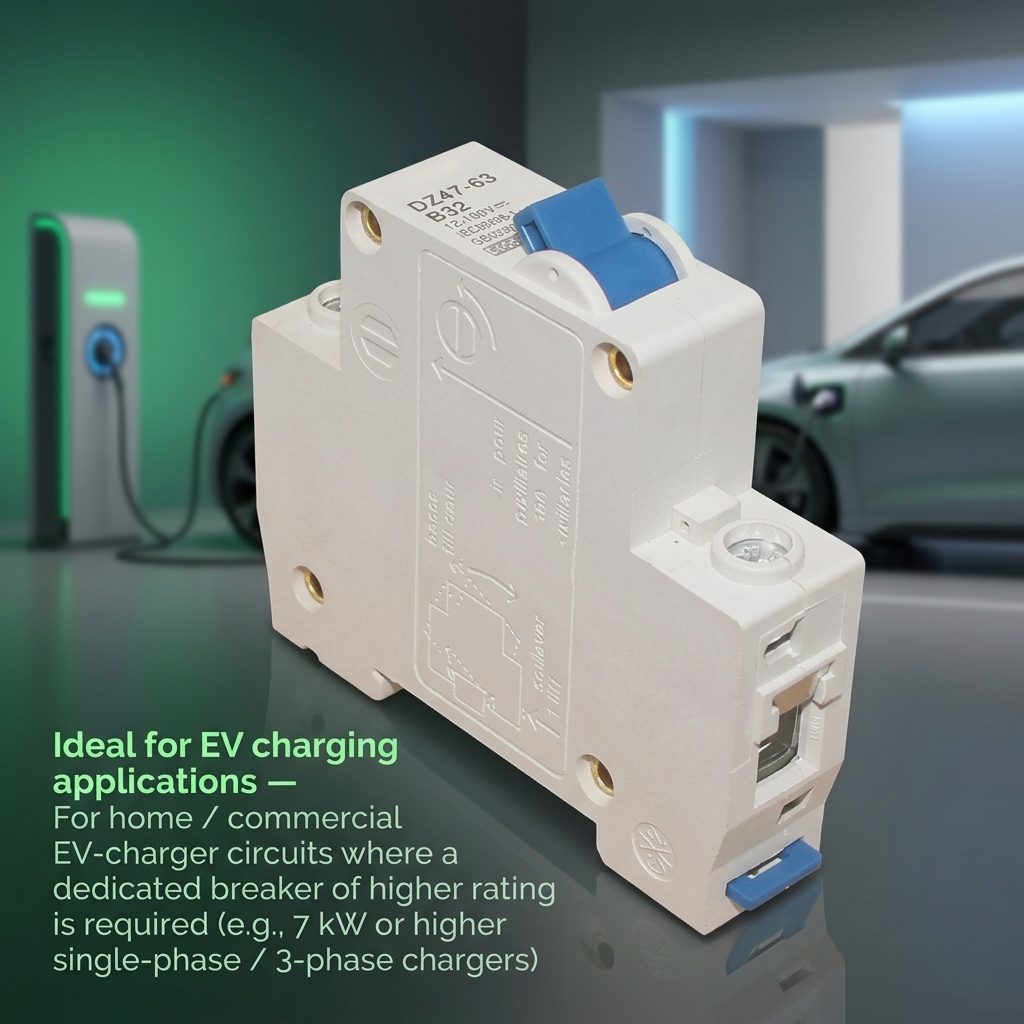
Ideal for EV charging applications — For home / commercial EV-charger circuits where a dedicated breaker of higher rating is required (e.g., 7 kW or higher single-phase / 3-phase chargers).
-
Easy reset — Unlike fuses, MCBs can be reset after a fault, reducing downtime and maintenance.
Technical Specifications (Typical – confirm actual model details)
| Parameter | 63 A Model | 40 A Model |
|---|---|---|
| Rated Current (In) | 63 A | 40 A |
| Poles | 1P / 2P / 4P (depending on version) | 1P / 2P / 4P (depending on version) |
| Tripping Curve | C-curve / D-curve (for EV inrush or high surge loads) | C-curve typical |
| Rated Voltage | 230/400 V AC (single-phase or three-phase) | Same |
| Breaking Capacity | Up to 10 kA (typical for this class) | Similar rating |
| Mounting | DIN-rail 35 mm | DIN-rail 35 mm |
| Ambient Temperature Range | Typically -25°C to +55°C (check model) | Same |
| Certification | IS/IEC 60898-1 / IEC 60947-2 (verify) | Same |
Why choose this MCB for EV Charging?
-
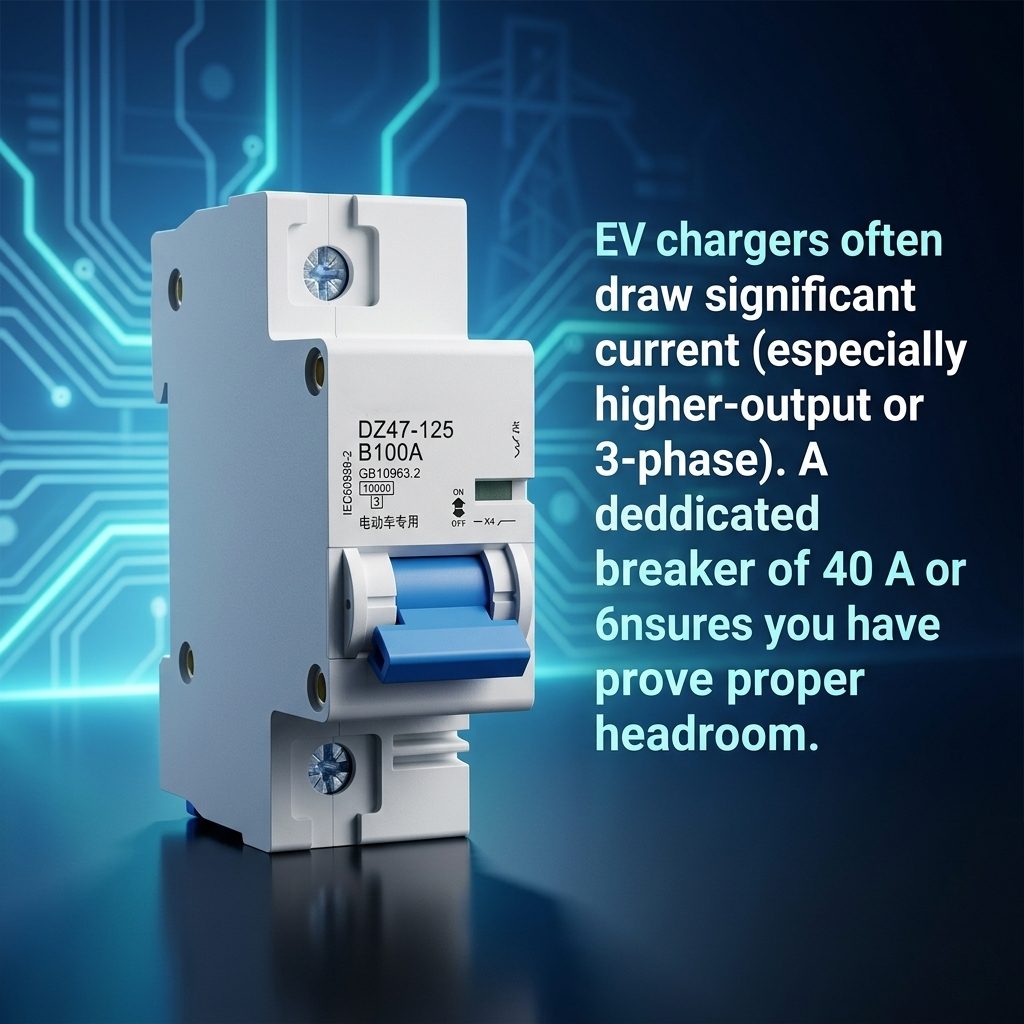
EV chargers often draw significant current (especially higher-output or 3-phase). A dedicated breaker of 40 A or 63 A ensures you have proper headroom.
-
An MCB sized correctly helps avoid nuisance trips and ensures safety under load surges (e.g., when EV charger starts).
-
Simplifies the installation of EV-charger circuits by offering proper protection rather than undersized breakers or fuses.
-
By choosing a known rating and modular breaker you maintain safety compliance and easier serviceability.
Installation & Usage Tips
-
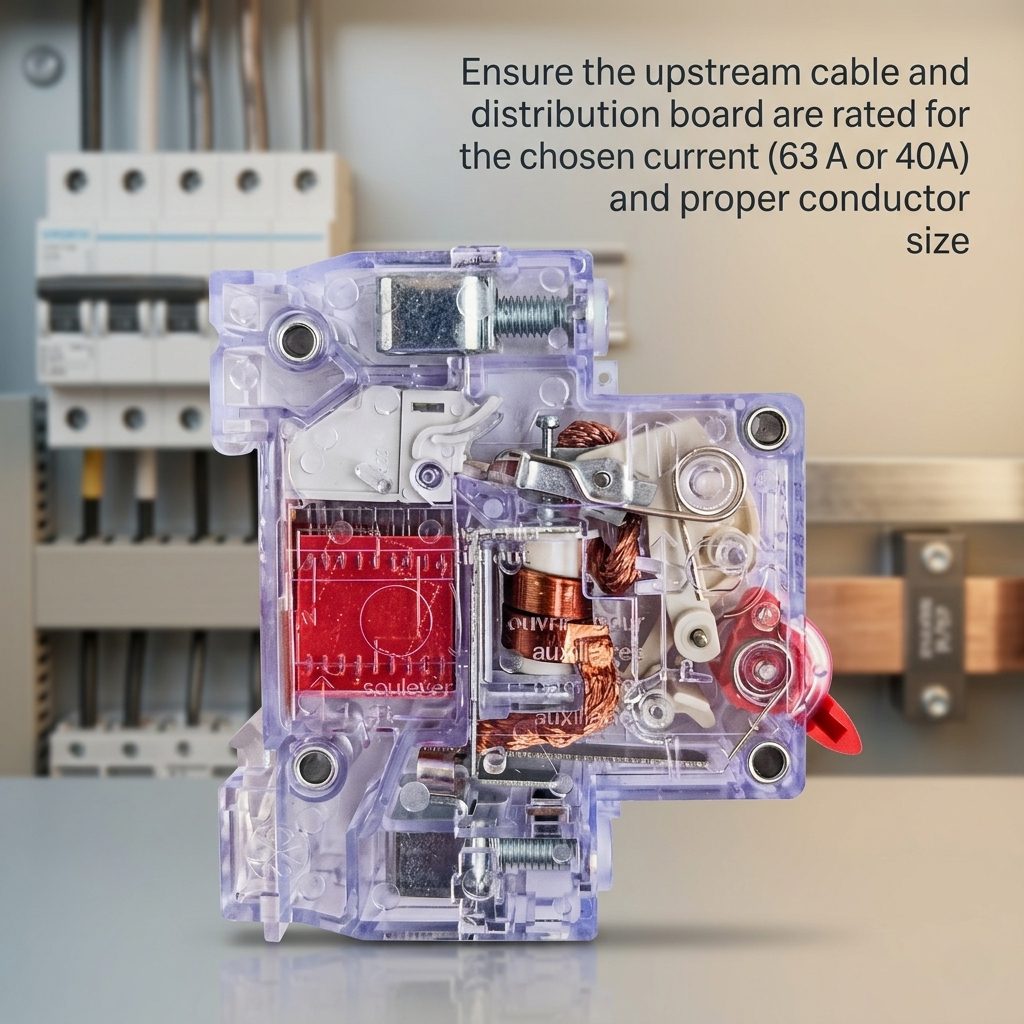
Ensure the upstream cable and distribution board are rated for the chosen current (63 A or 40 A) and proper conductor size.
-
Select the correct number of poles (for single-phase EV charger a 1P+N or 2P might suffice; for 3-phase, a 4-pole breaker may be needed).
-
Choose the correct curve type (B, C, D) depending on load inrush. EV chargers typically moderate surge – a “C” curve is often suitable.
-
Ensure proper earthing and residual-current protection (RCD/RCBO) as required by local EV installation regulations.
-
Label the breaker clearly in your distribution board: “EV Charger Breaker – 63 A” (or 40 A) for ease of maintenance.
-
Periodically inspect for signs of overheating, discoloration, or loose connections; ensure torque on terminals is correctly set.
Safety & Warranty
-
Always disconnect supply before working on breaker or feeder circuit.
-
Use only compatible accessories and ensure correct mounting orientation.
-
Warranty terms (if provided) should be checked with the seller or brand.
-
This breaker provides over-current protection only—you may still need separate protection devices (e.g., surge protection, DC fault detection) depending on EV charger specification.
Dinu –
I have Purchased MCB in bulk for my final year project ( Electric vehicle ) build feels strong, and I feel more confident about the electrical safety now. Good quality for the price.